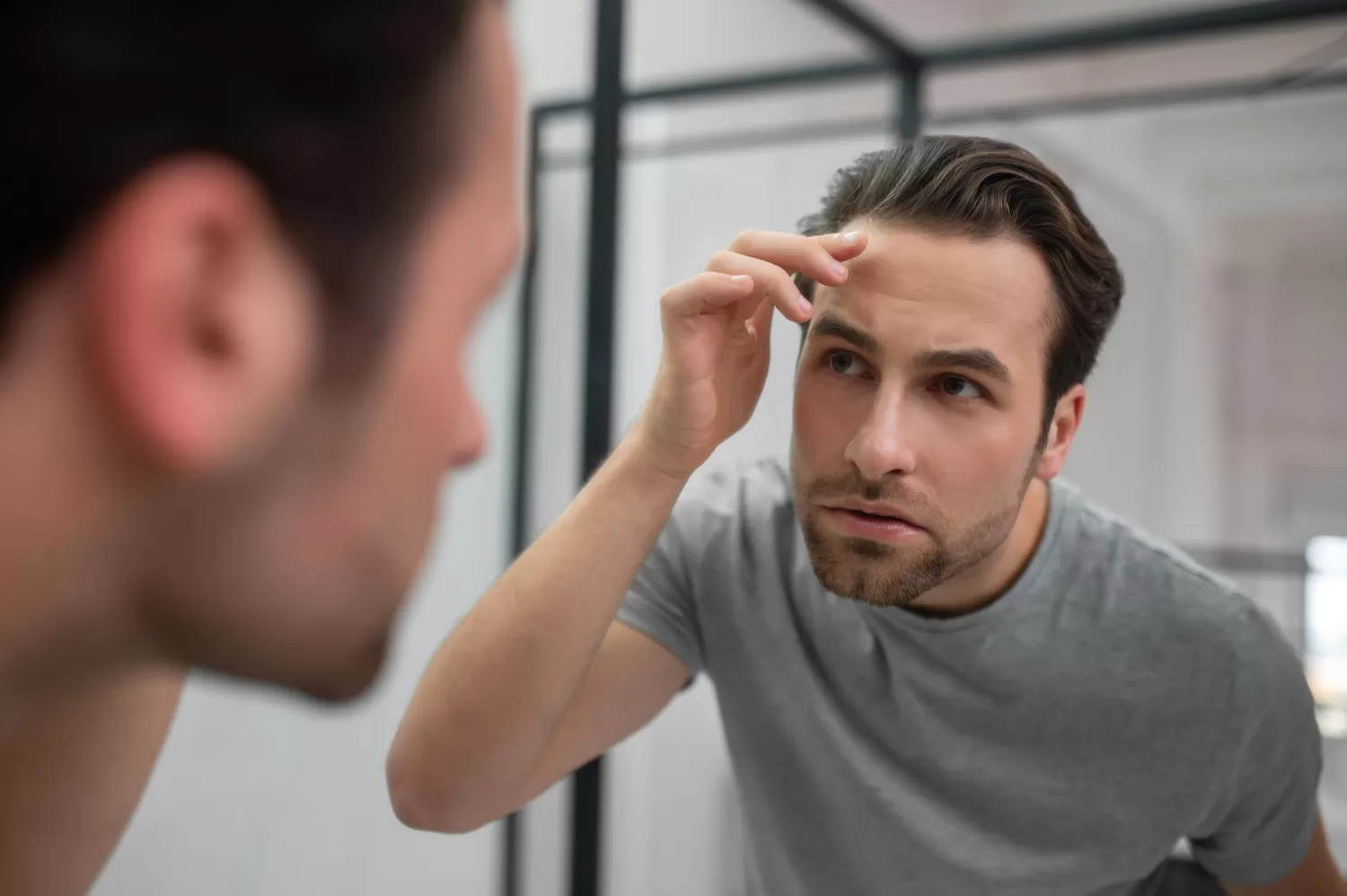
A hair transplant is one of the most effective ways to restore a natural look and boost self-confidence. However, it’s important to understand that the process doesn’t end on the day of the surgery. The recovery period, hair growth rate, and final appearance depend on many factors.
When expectations are unrealistic or post-care is neglected, disappointment can occur. Below are five essential tips to help you avoid frustration and ensure a successful, natural-looking hair transplant outcome.
1. Set Realistic Expectations
Before your surgery, the most important step is to have realistic expectations. A hair transplant cannot magically restore every lost hair. Instead, it redistributes hair from the donor area (usually the back of the head) to areas with thinning or baldness for a fuller appearance.
Keep in mind:
- Everyone’s hair density, thickness, and texture are different.
- Achieving 100% of your original density is often impossible, but a skilled surgeon can create a natural and balanced look.
- Be honest with your doctor about your goals and understand the achievable results for your specific case.
Remember: A hair transplant is a restoration, not a regeneration. Understanding this helps prevent disappointment later.
2. Be Patient – Results Take Time
One of the most common mistakes is expecting immediate results after surgery.
- In the first 2 weeks, you’ll notice scabbing and shedding — this is completely normal.
- Around the 3rd month, new hair begins to grow, but full results appear between 9 to 12 months.
- In some cases, depending on genetics or lifestyle, final results may take up to 15 months.
Patience is key. Don’t compare your progress with others; every individual’s healing process is unique.
3. Follow Your Doctor’s Post-Op Care Instructions Carefully
Aftercare is just as important as the surgery itself. Proper care ensures that the transplanted grafts survive and grow healthily.
Here are a few essentials:
- Do the first wash exactly as instructed by your clinic.
- Avoid scratching or rubbing your scalp.
- Refrain from heavy physical activity, sweating, or sun exposure for the first 10 days.
- Limit smoking and alcohol — both reduce blood flow and healing speed.
- Use only the prescribed shampoo and lotion regularly.
Following your surgeon’s advice is one of the biggest factors that determines the success of your hair transplant.
4. Support Recovery with Nutrition and a Healthy Lifestyle
Your body needs proper nutrition to heal and produce strong, healthy hair.
- Eat a protein-rich diet (eggs, chicken, fish, legumes).
- Take vitamin and mineral supplements like Biotin, Zinc, Vitamin D3, and Omega-3 (if recommended).
- Stay hydrated — water helps maintain scalp moisture.
- Get enough sleep; your body heals most effectively during rest.
Remember: Healthy hair begins with a healthy body.
5. Schedule Regular Checkups with Your Doctor
Post-surgery follow-ups help track your progress and ensure everything is going smoothly.
- Attend checkups at the 1st, 3rd, 6th, and 12th months.
- Ask your doctor about supportive treatments such as PRP or mesotherapy to boost growth.
- If you notice redness, irritation, or infection, contact your clinic immediately.
Professional follow-up helps you stay informed and confident throughout your recovery.
Conclusion: Patience + Knowledge = Great Results
Disappointment after a hair transplant usually comes from unrealistic expectations, impatience, or poor aftercare. With a patient mindset, proper care, and the guidance of an experienced specialist, you can achieve natural, long-lasting results.
Remember, a hair transplant is a journey — not a one-day miracle.
Be patient, stay consistent, and trust the process.

No comments yet. Be the first to comment!