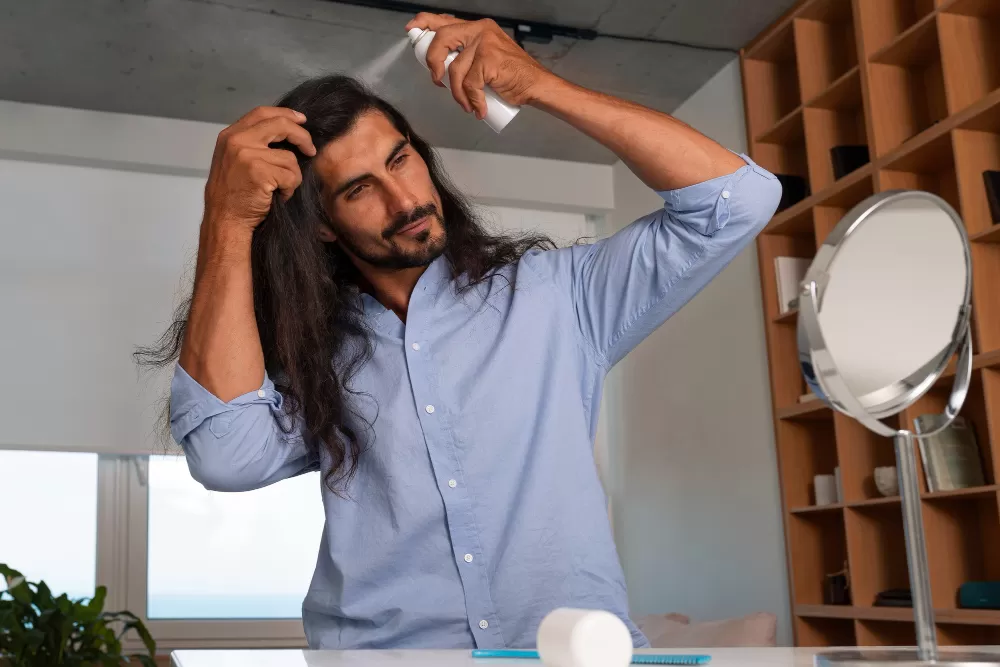
Hair loss is a common concern among both men and women. Genetic factors, hormonal changes, nutrition, stress, sleep patterns, and lifestyle choices all directly influence hair health. Healthy hair is not solely determined by genetics; it can be significantly supported through proper lifestyle habits and practices. In this article, we will explore the most effective lifestyle tips to prevent hair loss, offering detailed, science-backed, and practical advice for maintaining strong and healthy hair.
1. The Importance of a Balanced and Nutritious Diet
Hair health is closely linked to nutrition. Hair strands are composed mainly of keratin, a protein that requires adequate amino acids, vitamins, and minerals to synthesize. Poor nutrition can weaken hair follicles and accelerate hair loss. Key nutrients to focus on include:
- Proteins: Eggs, chicken, fish, and legumes provide the essential amino acids needed for keratin production. Amino acids like cysteine and methionine, which are particularly important for hair structure, are abundant in protein-rich foods.
- Vitamins and Minerals: Biotin (vitamin B7), zinc, iron, vitamin A, and vitamin E play a critical role in hair health. Biotin deficiency can make hair brittle and fragile, while zinc deficiency may increase shedding. Iron deficiency reduces oxygen delivery to hair follicles, weakening hair growth.
- Omega-3 Fatty Acids: Salmon, sardines, walnuts, and flaxseeds are rich in omega-3s, which nourish hair follicles and reduce inflammation in the scalp, preventing hair thinning.
- Hydration: Drinking enough water helps maintain hair hydration and elasticity. Dehydration can make hair dry, brittle, and more prone to breakage.
By paying attention to these dietary factors, hair loss can be significantly reduced, and existing hair can become stronger and healthier. Avoiding processed foods and excessive sugar consumption also plays an important role in maintaining hair health.
2. Regular Sleep and Hair Health
Sleep is one of the most vital periods for body regeneration. Getting sufficient and high-quality sleep is crucial for hair health. During sleep, the body releases growth hormone, which is essential for the repair of hair follicles and the healthy growth of hair strands. A lack of sleep disrupts hormonal balance and can accelerate hair loss.
- Optimal Sleep Duration: Adults generally require 7–9 hours of sleep per night. Sleeping less increases cortisol, the stress hormone, which is a major factor contributing to hair shedding.
- Sleep Quality: Reaching deep sleep stages ensures complete regeneration of the body and hair follicles. Avoiding electronic devices in the bedroom, sleeping in a dark environment, and maintaining consistent sleep schedules all promote quality rest.
Consistent, high-quality sleep can help prevent hair loss and ensure that hair follicles remain strong and healthy.
3. Stress Management and Hair Loss
In today’s fast-paced world, stress levels are often high, which can accelerate hair loss. Stress causes hair follicles to shrink and shortens the hair growth cycle. Chronic stress can result in faster shedding and reduced hair production.
- Meditation and Breathing Exercises: Spending 10–15 minutes daily on meditation or deep breathing exercises can lower cortisol levels and protect hair health.
- Hobbies and Physical Activity: Regular exercise increases endorphin levels, helping the body cope with stress, while also improving blood flow to hair follicles.
- Time Management: Organizing daily responsibilities and maintaining a balanced schedule helps control stress, reducing hair loss triggers.
Learning to manage stress is not only vital for hair health but also for overall well-being.
4. Hair Care Practices
Lifestyle choices alone are not enough; hair care habits significantly impact hair loss prevention. Improper hair products or frequent chemical treatments can weaken follicles. Essential hair care guidelines include:
- Washing Routine: Choose shampoos and conditioners suited to your hair type. Over-washing can strip natural oils, leaving hair dry and fragile. Washing hair 2–3 times per week is generally sufficient.
- Heat and Chemical Treatments: Frequent hair coloring, straightening, or curling can damage hair strands. Always use heat protectant sprays and limit chemical treatments to maintain hair integrity.
- Scalp Massage: Regular scalp massages improve blood circulation to hair follicles, stimulating growth. Massaging for a few minutes 2–3 times per week with fingertips is beneficial.
Following these practices helps reduce hair shedding and strengthens hair strands.
5. Regular Physical Activity and Circulation
Exercise plays a direct role in hair health. Physical activity improves blood circulation, ensuring that hair follicles receive adequate oxygen and nutrients. Additionally, exercise lowers stress levels, indirectly reducing hair loss.
- Aerobic Exercises: Activities such as walking, running, cycling, and swimming enhance blood flow and nourish hair follicles.
- Strength Training: Increasing muscle mass positively affects hormonal balance and supports hair growth.
- Stretching and Yoga: Reduces stress, which indirectly contributes to hair preservation.
Incorporating regular exercise into your routine is crucial for controlling hair loss and promoting overall health.
6. Avoid Smoking, Excessive Alcohol, and Harmful Habits
Smoking and excessive alcohol consumption are significant contributors to hair loss. Smoking reduces blood flow to hair follicles, depriving them of oxygen and nutrients. Alcohol consumption negatively affects liver function, disrupting the body’s vitamin and mineral balance.
- Smoking: Nicotine and other toxins impair hair follicles and disrupt the hair growth cycle.
- Alcohol: Excessive alcohol intake can lead to vitamin B deficiencies, which may increase hair shedding.
Limiting these habits is essential for maintaining hair health and overall wellness.
7. Hair Loss-Preventing Supplements
Sometimes diet alone may not provide sufficient vitamins and minerals for optimal hair health. Supplements can support hair growth:
- Biotin (Vitamin B7): Enhances keratin production and reduces hair breakage.
- Zinc: Supports proper hair follicle function.
- Iron: Ensures adequate oxygen supply to hair follicles.
- Omega-3 Fatty Acids: Reduces scalp inflammation and strengthens hair strands.
Consulting a healthcare professional before taking supplements ensures proper dosage and effective use.
8. Choosing the Right Hair Products
The ingredients in hair products also significantly affect hair health. Harsh chemicals, parabens, sulfates, and alcohol can damage follicles and weaken hair strands.
- Natural Shampoos: Herbal extracts and mild cleansers prevent scalp irritation and maintain follicle health.
- Conditioners and Hair Masks: Regular hydration prevents hair breakage and increases elasticity.
- Hair Oils: Argan oil, coconut oil, and jojoba oil nourish the scalp and enhance hair shine.
Selecting the right products is a fundamental step in reducing hair loss and maintaining strong hair.
9. Regular Hair Check-Ups and Early Intervention
Understanding the causes of hair loss requires regular visits to dermatologists or hair health specialists. Early intervention can prevent permanent hair loss and help control shedding.
- Blood Tests: Identify deficiencies in iron, zinc, hormones, and vitamins.
- Hair Analysis: Evaluate the condition of hair follicles and the hair growth cycle.
- Recommended Treatments: When necessary, medical treatments, hair mesotherapy, or PRP (platelet-rich plasma) therapy can be applied.
Being proactive about hair health provides long-term benefits both aesthetically and medically.
Conclusion
Healthy, strong hair is achievable through the right lifestyle habits. Balanced nutrition, quality sleep, stress management, regular exercise, proper hair care routines, avoidance of harmful substances, targeted supplements, and the use of suitable hair products are all essential strategies to prevent hair loss. Additionally, regular health check-ups can detect the underlying causes early, allowing for timely intervention and maintenance of hair health.
Preventing hair loss is not just a cosmetic concern; it reflects overall health. Integrating healthy practices into daily life ensures long-term benefits for both hair and general wellness, helping individuals maintain confidence and vitality.

No comments yet. Be the first to comment!