Introduction: Why Is Pre-Hair Transplant Preparation So Important?
A hair transplant is a procedure that has a significant impact on a person’s appearance and overall confidence. Although the success of the operation depends on the technique used, the experience of the medical team, and the clinic’s standards, another crucial factor is how well the individual prepares before the procedure. Proper preparation helps protect the grafts, reduces complications, accelerates recovery, and contributes to more natural results. For this reason, understanding and applying the steps required before a hair transplant is a key part of achieving long-term success.
1. General Health Check Should Be Completed Before the Operation
Even though a hair transplant is considered a minimally invasive procedure, it is still a surgical intervention. Therefore, undergoing a general health check beforehand is essential to ensure a safe operation. Blood tests, chronic disease evaluations, and medication assessments help the doctor plan the procedure in a personalized and risk-free way. Individuals with conditions such as diabetes, hypertension, or thyroid disorders must have their values under control before the transplant. Sharing your full medical history with the specialist allows for a more accurate and personalized treatment plan.
2. Medications and Supplements Must Be Shared With the Doctor
All medications, vitamins, and herbal supplements should be disclosed to the medical team before the hair transplant. Some medications can increase the risk of bleeding during the procedure. Supplements such as omega-3, aspirin, vitamin E, ginkgo biloba, and similar blood-thinning products should be stopped at least 7–10 days before the operation. If a medication cannot be discontinued due to a chronic condition, the responsible physician must guide the process. Proper medication management ensures a safer and more controlled operation.
3. Smoking and Alcohol Should Be Stopped Before the Procedure
Smoking and alcohol consumption directly affect the outcome of a hair transplant. Smoking narrows the blood vessels, reduces blood flow, and decreases oxygen delivery to the grafts, which may lower the graft survival rate. Alcohol thins the blood and increases bleeding risk during and after the procedure. For this reason, smoking should be stopped at least 7–10 days before the operation, and alcohol should be avoided for at least 72 hours beforehand. Reducing these habits helps the body heal faster and protects the grafts.
4. Proper Hair and Scalp Care Before the Operation
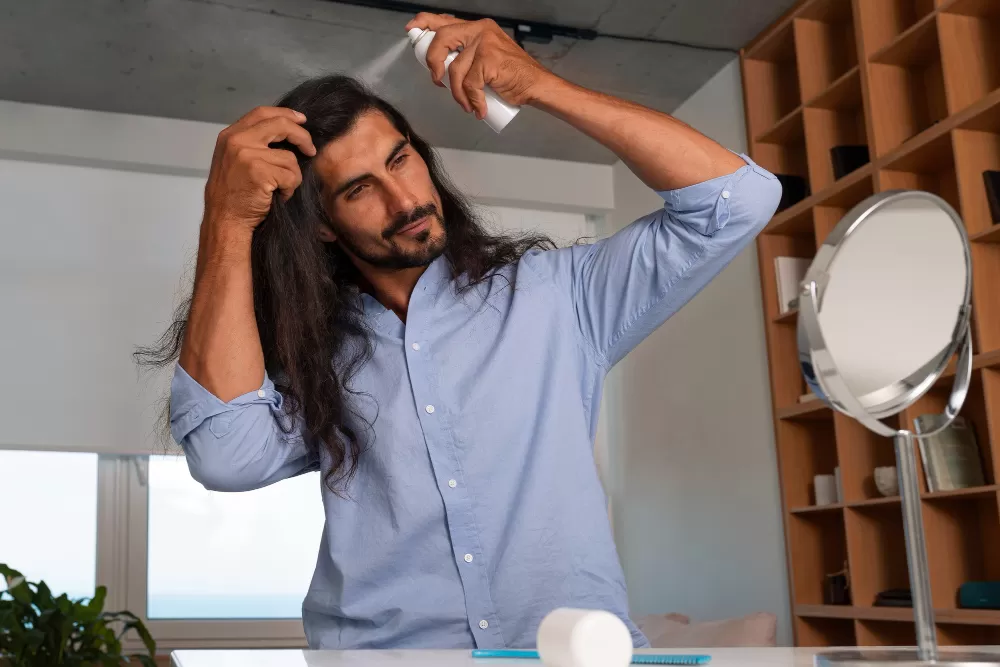
The scalp must be in healthy condition before the hair transplant. In the days leading up to the procedure, only shampoo should be used—hair sprays, gels, waxes, or styling products should be avoided. Conditions such as dandruff, redness, eczema, or dermatitis should be treated before the transplant. Dermatological treatments recommended by the specialist can help prepare the scalp for the procedure. Whether the hair needs to be shortened before the transplant depends on the clinic’s technique and will be communicated by the medical team.
5. Paying Attention to Nutrition
Proper nutrition before a hair transplant supports the body’s healing capacity and reduces complications. A protein-rich diet, vitamins, minerals, and natural omega-3 sources contribute to better graft survival. Foods high in fat, sugar, or processed ingredients should be avoided. On the day of the operation, patients should not go in on an empty stomach; instead, they should eat a light, protein-based breakfast. This helps maintain stable energy levels and ensures better comfort during the long procedure.
6. Avoiding Physical Trauma Before the Procedure
Any physical trauma to the scalp before a hair transplant can negatively affect the operation. Therefore, patients should avoid contact sports, risky activities, or environments that might cause injury. A bump, cut, or bruise on the scalp may delay the procedure or reduce its effectiveness. Being cautious for a few days before the surgery helps maintain optimal scalp health.
7. Preparation for the Day of the Hair Transplant
Several steps should be taken on the day of the operation to ensure comfort and safety. Patients should wear comfortable clothing—preferably buttoned or zip-up tops that do not touch the head when removed. A clean scalp is essential, so a shower should be taken in the morning without applying any hair products. Personal items such as a phone, charger, and headphones can help make the long session more comfortable. Staying hydrated and arriving with a calm mindset also contribute to a smoother experience.
8. Pre-Operation Photos and Planning
Pre-operation photography is an important part of hair transplantation. These photos help evaluate the degree of hair loss, density of the transplant area, and donor area capacity. Front, side, and crown images allow the specialist to design a natural and symmetrical hairline. Proper planning ensures a more aesthetic and natural result. This stage is critical to the success of the operation and must be performed with precision.
9. Stress Management and Psychological Preparation
Although a hair transplant is a physical procedure, psychological readiness plays an equally important role. Understanding the steps, duration, and process helps reduce stress and allows the patient to remain comfortable throughout the operation. Since the procedure is performed under local anesthesia, the patient will not feel pain, but it can be lengthy. Adequate sleep, rest, and relaxation before the surgery can help prepare mentally for the session.
10. Preparing for the Post-Operation Process
Pre-operation preparation also includes learning what to expect after the procedure. Patients must know that the first few days are critical and that the transplanted area should not be touched or rubbed. Sleeping positions, pillow arrangements, and cleaning instructions should be fully understood beforehand. Mild swelling or discomfort may occur in the first 24–48 hours, and being mentally prepared for this helps patients feel more confident. Understanding the post-operation care routine ensures a smoother recovery period.
Conclusion: Proper Pre-Operation Preparation Is the Key to the Best Results
The steps taken before a hair transplant significantly impact the safety, comfort, and long-term success of the procedure. Healthy scalp condition, proper lifestyle habits, medication management, correct nutrition, and mental readiness all contribute to strong graft survival and natural-looking results. Following professional guidelines and preparing consciously help ensure that the procedure is both comfortable and effective. A well-prepared patient always achieves better outcomes and a more satisfying transformation.


No comments yet. Be the first to comment!