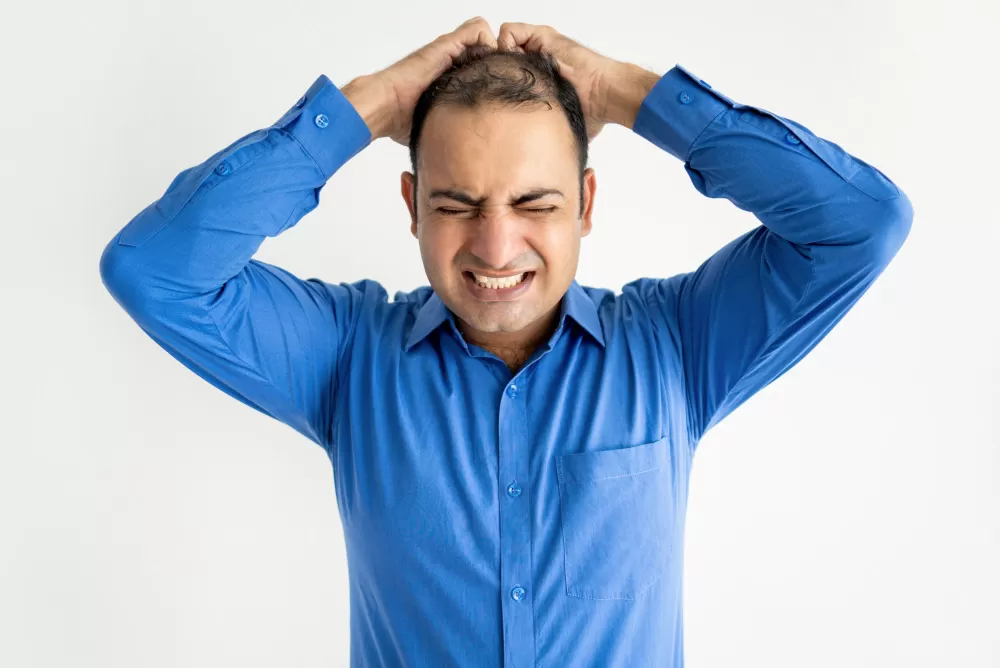
Hair loss is a common concern that can affect both men and women, impacting not only appearance but also self-confidence. The causes and patterns of hair loss vary, with some types being temporary and others permanent. In this article, we’ll explore the main types of hair loss, their causes, symptoms, and differences.
1. Male Pattern Hair Loss (Androgenetic Alopecia)
Male pattern hair loss is primarily linked to genetics and hormonal changes.
- Onset: Typically starts in the 20s or 30s.
- Symptoms: Receding hairline and thinning at the crown of the head.
- Causes: Hair follicles sensitive to dihydrotestosterone (DHT) shrink over time.
- Treatment: Minoxidil, finasteride, PRP therapy, and hair transplantation.
This type of hair loss is usually progressive, with hair loss increasing over time.
2. Female Pattern Hair Loss
In women, hair loss is generally diffuse, affecting the entire scalp rather than specific areas. Hormonal changes often play a major role.
- Onset: Often begins around age 40, with risk increasing post-menopause.
- Symptoms: Overall thinning, especially at the crown, while the hairline remains intact.
- Causes: Hormonal imbalance, genetics, and stress are common factors.
- Treatment: Minoxidil, vitamin and mineral supplements, hormonal therapy.
Unlike male pattern hair loss, the hairline usually does not recede.
3. Diffuse Hair Loss
Diffuse hair loss occurs when hair thins evenly across the scalp.
- Onset: Can develop gradually or suddenly.
- Symptoms: Excessive shedding during combing or washing, general thinning of the hair.
- Causes: Stress, iron deficiency, thyroid problems, serious illnesses, medications, or poor nutrition.
- Treatment: Addressing underlying causes, multivitamin and mineral supplements, PRP therapy, or mesotherapy.
Diffuse hair loss is often temporary and can reverse once the cause is resolved.
4. Alopecia Areata (Patchy Hair Loss)
Alopecia areata results in hair loss in round or oval patches.
- Onset: Sudden and unexpected.
- Symptoms: Complete hair loss in one or several areas of the scalp.
- Causes: Autoimmune disorders where the immune system attacks hair follicles.
- Treatment: Corticosteroid therapy, topical immunotherapy, PRP therapy.
In some cases, hair regrows naturally, but recurrence is possible.
5. Traumatic and Chemical Hair Loss
- Physical Trauma: Tight hairstyles, straightening, perming, or frequent blow-drying can damage hair follicles.
- Chemical Damage: Hair dyes, bleaches, and harsh chemical treatments weaken hair structure and cause breakage.
- Treatment: Protective hair care products, avoiding chemical damage, and vitamin supplementation.
Most hair loss of this type is preventable and can be reversed with early intervention.
6. Telogen Effluvium (Temporary Hair Loss)
Telogen effluvium is triggered by stress, surgery, sudden weight loss, or postpartum changes.
- Onset: Hair shedding begins 2–3 months after the triggering event.
- Symptoms: Increased hair fall, reduced hair density.
- Treatment: Treating the underlying cause, proper nutrition, and stress management.
Telogen effluvium is usually temporary, with hair regrowth expected once the trigger is removed.
General Tips to Prevent Hair Loss
- Balanced Diet: Include protein, iron, zinc, biotin, and vitamins.
- Stress Management: Meditation, exercise, and sufficient sleep.
- Hair Care: Limit chemical treatments, clean the scalp regularly.
- Medical Checkups: Monitor hormonal and chronic health conditions.
Conclusion
Hair loss has multiple types, and the causes vary among individuals. Male and female pattern hair loss, diffuse hair loss, alopecia areata, and temporary shedding all require different treatments. Early diagnosis and appropriate treatment can help prevent or reduce hair loss, promoting healthier hair growth.
No comments yet. Be the first to comment!