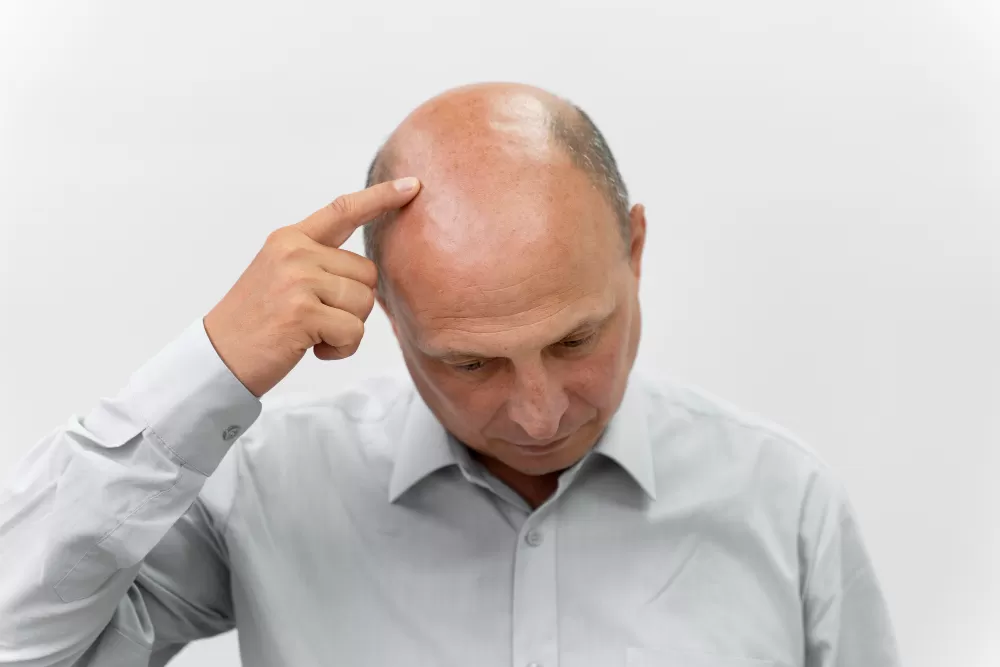
What Is Diffuse Hair Loss?
Diffuse hair loss refers to hair thinning or shedding evenly across the entire scalp. Unlike male pattern baldness, which affects specific areas like the crown or temples, diffuse hair loss causes a general reduction in hair density all over the head. Individuals may notice that their hair looks thinner or less voluminous, even if no single area shows significant bald spots.
This condition often occurs due to telogen effluvium, a process where a large number of hair follicles enter the resting (telogen) phase simultaneously. While it can be temporary, if underlying causes persist, hair loss may become chronic.
Symptoms of Diffuse Hair Loss
Diffuse hair loss can be subtle initially because it does not create obvious bald patches. Common symptoms include:
1. Overall Thinning
Hair appears less dense across the scalp. Under bright light, the scalp may become more visible.
2. Weak and Fine Hair Strands
Hair strands may lose thickness and strength, making hair feel fragile.
3. Excessive Hair Shedding
Noticeable hair loss occurs during washing, combing, or even when running fingers through hair.
4. Uniform Loss Across Scalp
Unlike pattern baldness, thinning occurs evenly across the front, crown, and sides.
Causes of Diffuse Hair Loss
Several factors can trigger diffuse hair loss. Accurate diagnosis by a dermatologist is essential. Common causes include:
1. Stress and Trauma
Intense emotional stress, sudden shock, surgery, accidents, or major life events can push hair follicles from the growth phase into the resting phase.
2. Vitamin and Mineral Deficiencies
Healthy hair growth requires adequate nutrients. Common deficiencies include:
- Iron (low ferritin is a major factor)
- Vitamin B12
- Vitamin D
- Zinc
- Biotin
Iron deficiency, in particular, is one of the most frequent triggers of diffuse hair loss.
3. Hormonal Changes
- Thyroid disorders (hypothyroidism or hyperthyroidism)
- Postpartum hormonal fluctuations
- Menopause
These conditions can significantly increase hair shedding.
4. Rapid Weight Loss and Poor Nutrition
Sudden nutrient deficiencies disrupt hair follicle cycles. Hair follicles are often the first affected.
5. Medication Use
Certain medications can trigger telogen effluvium, including:
- Antidepressants
- Blood thinners
- Thyroid medications
- Retinoids
- Some oral contraceptives
6. Infections and High-Fever Illnesses
Severe illnesses, such as COVID-19 or influenza, can cause temporary diffuse hair loss 1–3 months after recovery.
How Is Diffuse Hair Loss Diagnosed?
Diagnosis typically involves a dermatologist and may include:
- Blood tests (Ferritin, B12, Vitamin D, thyroid panel, zinc)
- Scalp dermoscopy
- Daily hair shedding tracking
- Pull test
Advanced testing may be performed if needed.
Treatment Options for Diffuse Hair Loss
1. Vitamins and Mineral Supplements
Addressing deficiencies is crucial. Ferritin levels above 70 ng/mL are ideal for hair health.
2. Topical Treatments (Minoxidil)
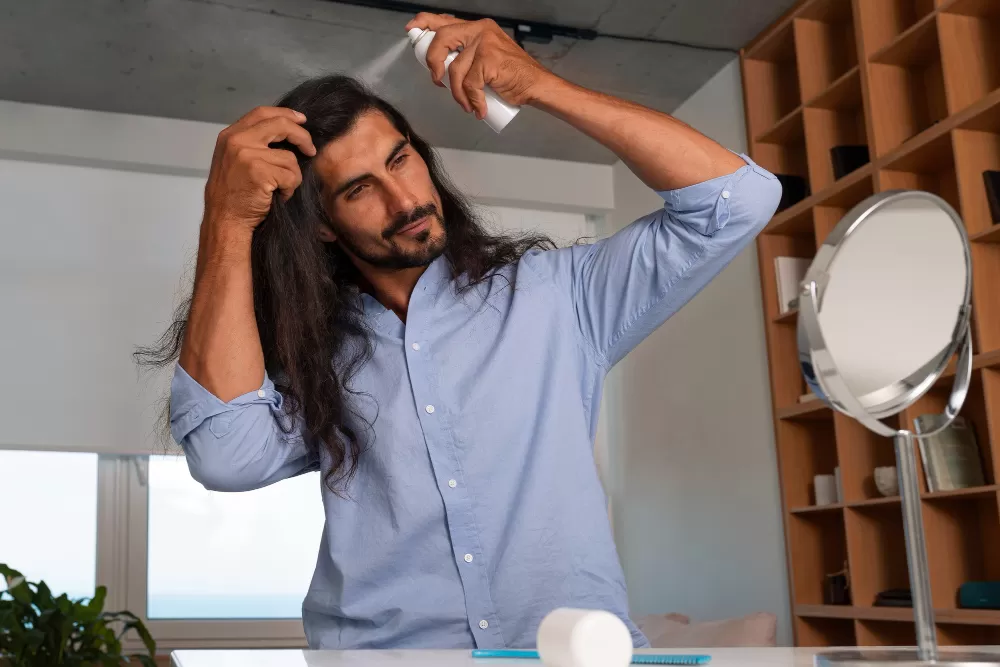
Minoxidil prolongs the growth phase and reduces shedding, supporting healthier hair regrowth.
3. PRP and Mesotherapy
PRP (Platelet-Rich Plasma): Patient’s own platelets are injected into hair follicles to stimulate growth.
Mesotherapy: Vitamins, minerals, and peptides are delivered directly to the scalp to nourish follicles.
These treatments are highly effective for diffuse hair loss.
4. Stress Management and Lifestyle Changes
- Regular sleep
- Light exercise
- Meditation
- Balanced diet
Reducing stress positively affects hair growth cycles.
5. Professional Intervention
If hair loss persists for more than six months or accelerates rapidly, dermatological consultation is essential. Chronic diffuse hair loss may indicate underlying health issues.
Preventive Tips for Diffuse Hair Loss
1. Monitor Blood Levels
Regularly check ferritin, vitamin D, and thyroid levels. Early correction of deficiencies can halt hair shedding.
2. Eat Hair-Friendly Foods
- Eggs, fish, red meat
- Legumes
- Nuts (almonds, walnuts)
- Leafy green vegetables
These nutrients strengthen hair follicles.
3. Avoid Scalp Irritation
Minimize chemical treatments:
- Frequent coloring
- Excessive heat styling
- Tight hairstyles
Weak hair strands are more prone to breakage.
4. Reduce Stress
Daily walks, breathing exercises, and hobbies help control stress and support healthy hair growth.
5. Limit Heat Styling
Excessive heat from blow dryers, curling irons, and straighteners weakens hair and accelerates shedding.
How Long Does Diffuse Hair Loss Last?
Duration depends on the underlying cause:
- Acute diffuse hair loss: 3–6 months
- Chronic diffuse hair loss: 6–12 months (longer if untreated)
Early treatment accelerates recovery and improves hair density.
Conclusion
Diffuse hair loss affects both men and women at any age. With proper diagnosis, lifestyle adjustments, and targeted treatment, hair can regain its strength and density. If hair shedding is sudden, severe, or persistent, consulting a dermatologist is crucial for effective management and long-term results.

No comments yet. Be the first to comment!