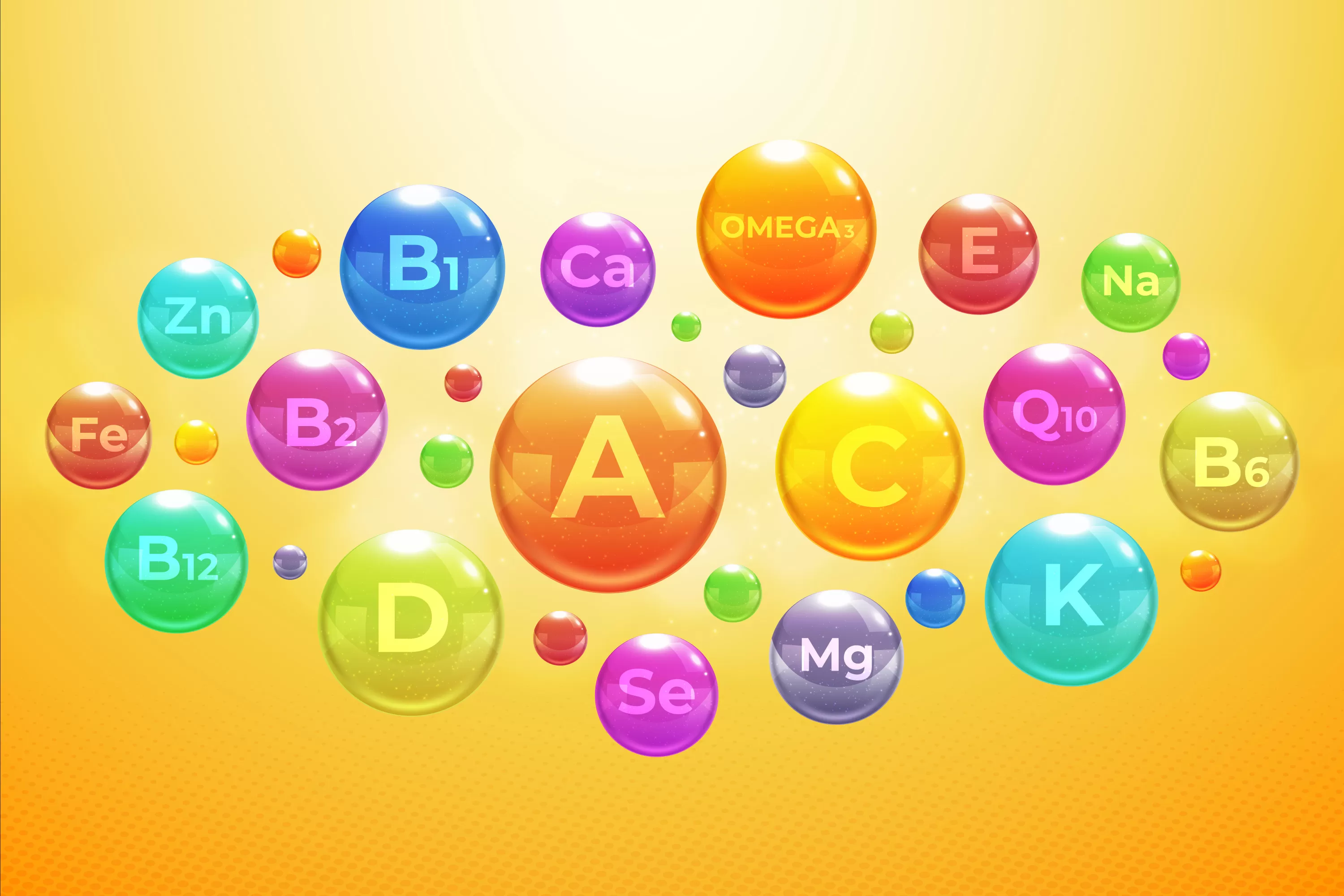
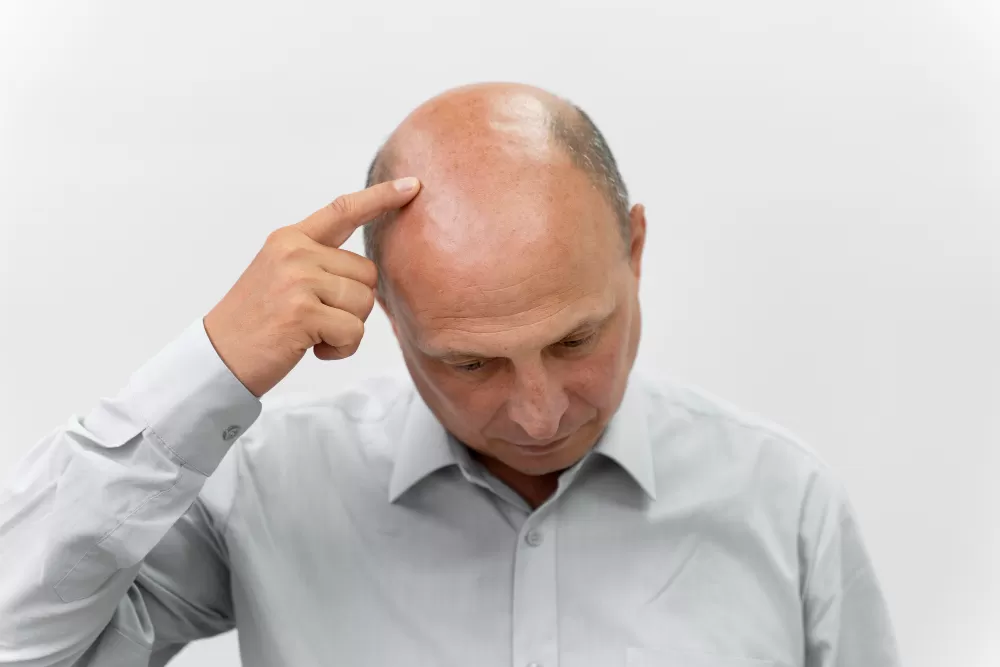
Hair loss is a common problem affecting both men and women. Factors such as genetics, stress, hormonal changes, poor nutrition, and certain health conditions can negatively impact hair health. One of the most effective ways to prevent hair loss is ensuring proper intake of essential vitamins and minerals. But which vitamins and minerals are necessary for healthy hair?
1. Biotin (Vitamin B7)
Biotin plays a crucial role in maintaining the keratin structure of hair. Keratin is the primary building block of hair, and a deficiency in biotin can lead to thinning and hair loss.
- Sources: Egg yolk, almonds, walnuts, hazelnuts, oats, avocado.
- Recommended daily intake: 30–100 mcg.
- Note: Biotin supplements can help prevent hair loss, and high doses are generally considered safe, but medical guidance is recommended.
2. Zinc
Zinc is essential for proper hair follicle function. Deficiency can cause hair loss, flaky scalp, and brittle nails.
- Sources: Meat, poultry, seafood, pumpkin seeds, lentils.
- Recommended daily intake: 11 mg for men, 8 mg for women.
- Note: Excessive zinc intake can negatively affect the immune system.
3. Iron
Iron is vital for producing hemoglobin, which carries oxygen to hair follicles. Iron deficiency, especially in women, is a leading cause of hair loss.
- Sources: Red meat, chicken, fish, spinach, lentils, beans.
- Recommended daily intake: 8 mg for men, 18 mg for women (needs may increase during menstruation).
- Note: Iron deficiency can also cause fatigue and weakness in addition to hair loss.
4. Vitamin D
Vitamin D deficiency is directly linked to hair loss. It supports hair follicle activation and healthy hair growth.
- Sources: Sunlight, salmon, sardines, egg yolk, vitamin D supplements.
- Recommended daily intake: 600 IU (15 mcg).
- Note: Those with limited sun exposure may benefit from supplementation.
5. Vitamin E
Vitamin E is a powerful antioxidant that protects the scalp from free radicals. It also improves blood circulation, which nourishes hair follicles.
- Sources: Almonds, hazelnuts, spinach, avocado, sunflower seeds.
- Recommended daily intake: 15 mg.
6. Vitamin A
Vitamin A supports natural oil production in the scalp, keeping hair moisturized and healthy. However, excessive vitamin A can actually increase hair loss.
- Sources: Carrots, sweet potatoes, pumpkin, spinach, eggs.
- Recommended daily intake: 900 mcg for men, 700 mcg for women.
7. Omega-3 Fatty Acids
Omega-3 supports shiny and healthy hair while reducing inflammation in the scalp.
- Sources: Salmon, sardines, walnuts, flax seeds, chia seeds.
8. Protein
Keratin, the primary component of hair, is a protein. Adequate protein intake is crucial for minimizing hair loss.
- Sources: Eggs, chicken, red meat, fish, dairy, legumes.
Additional Tips to Prevent Hair Loss
- Maintain a Balanced Diet: Deficiencies in vitamins and minerals directly affect hair health.
- Manage Stress: Chronic stress can accelerate hair loss.
- Proper Hair Care: Avoid tight hairstyles, excessive chemical treatments, and heat styling.
- Sleep and Hydration: Lack of rest and water intake can negatively impact hair growth.
Conclusion
To prevent hair loss, essential vitamins such as biotin, zinc, iron, vitamins D, E, and A, along with omega-3 fatty acids and adequate protein, should be consumed regularly. However, hair loss can have various causes, so consulting a dermatologist or nutritionist is important if hair shedding persists.
No comments yet. Be the first to comment!